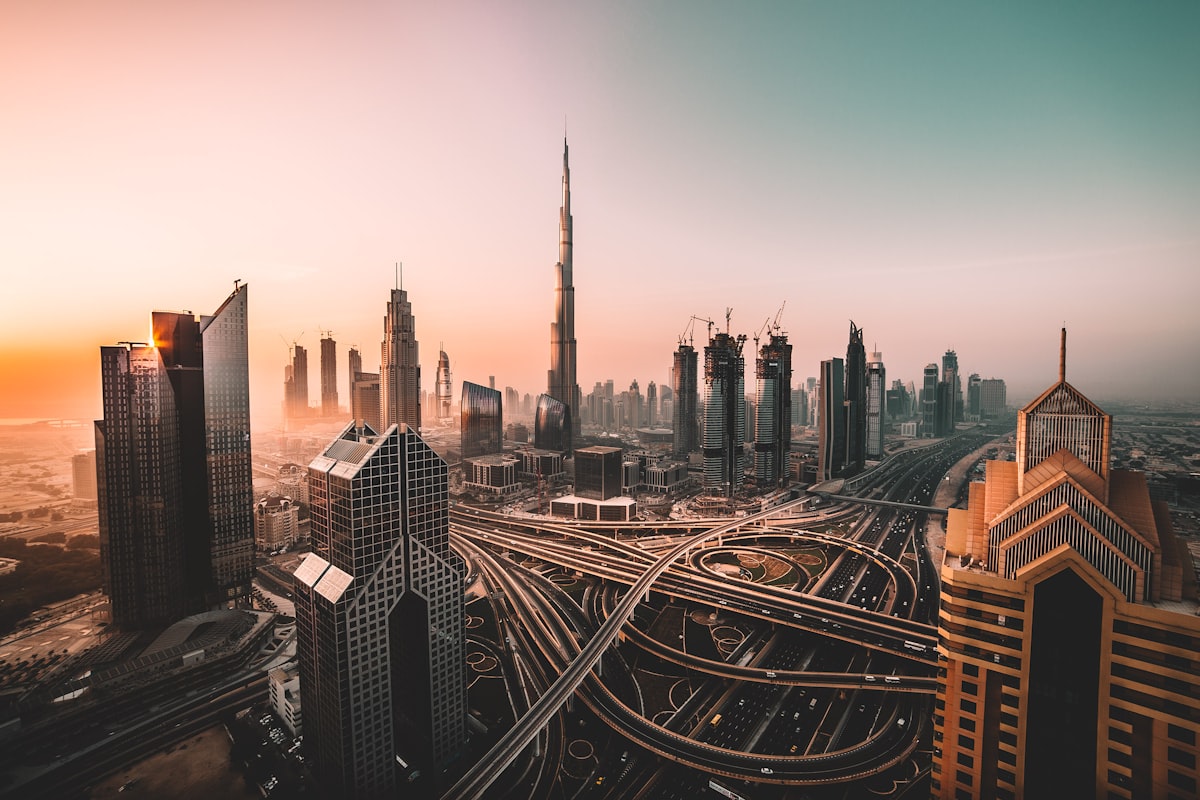
Dubai Community Master Planning: A 2026 Investor Guide to Future-Proofing Assets
Learn how Dubai's master-planned communities influence property value. Discover how infrastructure and connectivity impact your long-term ROI in 2026.
Dubai Community Master Planning: A 2026 Investor Guide to Future-Proofing Assets
In the competitive landscape of Dubai real estate, the distinction between a high-performing asset and a stagnating property often boils down to one factor: master planning. As we navigate the 2026 market, investors are increasingly moving beyond unit-level analysis to evaluate the macro-environment of their investments. Master-planned communities, characterized by integrated infrastructure, leisure facilities, and strategic connectivity, continue to outperform standalone developments.
The Anatomy of a Successful Master-Planned Community
A master-planned community is not merely a collection of residential towers; it is a meticulously designed ecosystem. Developers like Emaar, Nakheel, and Meraas prioritize "live-work-play" dynamics, ensuring that residents have proximity to schools, hospitals, green spaces, and retail hubs. For investors using the MojoBloc AI advisor, identifying communities that prioritize these amenities is a primary strategy for long-term value creation. High-performing areas often feature master-planned transit nodes and interconnected cycle paths, which have shown to bolster property values by 15-20% compared to less integrated counterparts.
Infrastructure Connectivity: The Hidden ROI Multiplier
Connectivity is the backbone of capital appreciation. In 2026, the expansion of the Dubai Metro and the integration of autonomous transit pods have redefined accessibility. Projects located within a 10-minute radius of major transport hubs—such as those found in projects listed on our platform—consistently report higher occupancy rates. When analyzing a potential investment, consider the "commute-to-lifestyle" ratio. Does the master plan allow a resident to reach a business hub without navigating congested arterial roads? If the answer is yes, the property is inherently more attractive to long-term tenants, thereby stabilizing your rental yields.
Sustainability and Environmental Integration
As global standards for ESG shift, Dubai’s newer master plans are heavily weighted toward sustainability. This includes greywater recycling, district cooling, and solar-integrated facades. Communities that achieve LEED or WELL certification are no longer a niche preference; they are becoming the market standard. Investing in a future-proofed asset means choosing a developer that builds for the next two decades, not just the current sales cycle. By browsing compare projects, you can see how modern developments are stacking up against these environmental benchmarks.
Analyzing Demographic and Commercial Clustering
Master planning goes beyond residential needs; it involves attracting the right commercial partners. An ideal community creates an organic synergy between office spaces and residential units. For instance, districts that attract tech-driven SMEs or multinational headquarters create a stable demand for mid-to-high-end residential units. Investors should look for master plans that include dedicated innovation zones, as these naturally curate a demographic of high-earning professionals who are more likely to commit to long-term lease agreements.
Strategic Due Diligence: Beyond the Blueprint
Before finalizing any investment, investors must review the master development plan beyond the marketing brochures. RERA mandates transparent disclosure of community facilities, but it is the investor's responsibility to verify the timeline of secondary amenities. If a master plan promises a school or a hospital, confirm the phase of completion. Using a mortgage calculator to factor in service charges—which can be higher in heavily amenitized, master-planned developments—is essential for accurate cash flow projections.
Frequently Asked Questions
How does a master plan differ from a standalone development?
A master-planned community is designed as a self-sustaining ecosystem with shared utilities, road networks, and standardized aesthetic controls, whereas standalone developments often lack the coordinated infrastructure and unified community management found in large-scale projects.
Can I find master-planned communities that are currently offering flexible payment plans?
Yes, many leading developers offer post-handover payment plans on projects within established or emerging master-planned communities to attract investors, which can be explored by filtering current listings on the MojoBloc platform.
Do master-planned communities have higher service charges?
Generally, yes. Because master-planned communities maintain extensive common areas, parks, and high-tech security features, the service charges are typically higher, but these are usually offset by higher rental yields and better capital appreciation over time.
What should I look for in a master plan to ensure long-term value?
Look for proximity to public transit, the inclusion of essential services like schools and healthcare, and evidence of robust, long-term infrastructure planning that supports future capacity rather than current saturation.
How does a project’s location within a master plan affect its resale value?
Properties that are situated closer to core lifestyle amenities, such as waterfronts, parks, or community malls, historically command a premium on the secondary market compared to units located on the periphery of the same master-planned district.
Ready to Invest in Dubai?
Explore La Vera Creek and Palatium Residences — two of Dubai's highest-rated off-plan opportunities, hand-picked by MojoBloc.