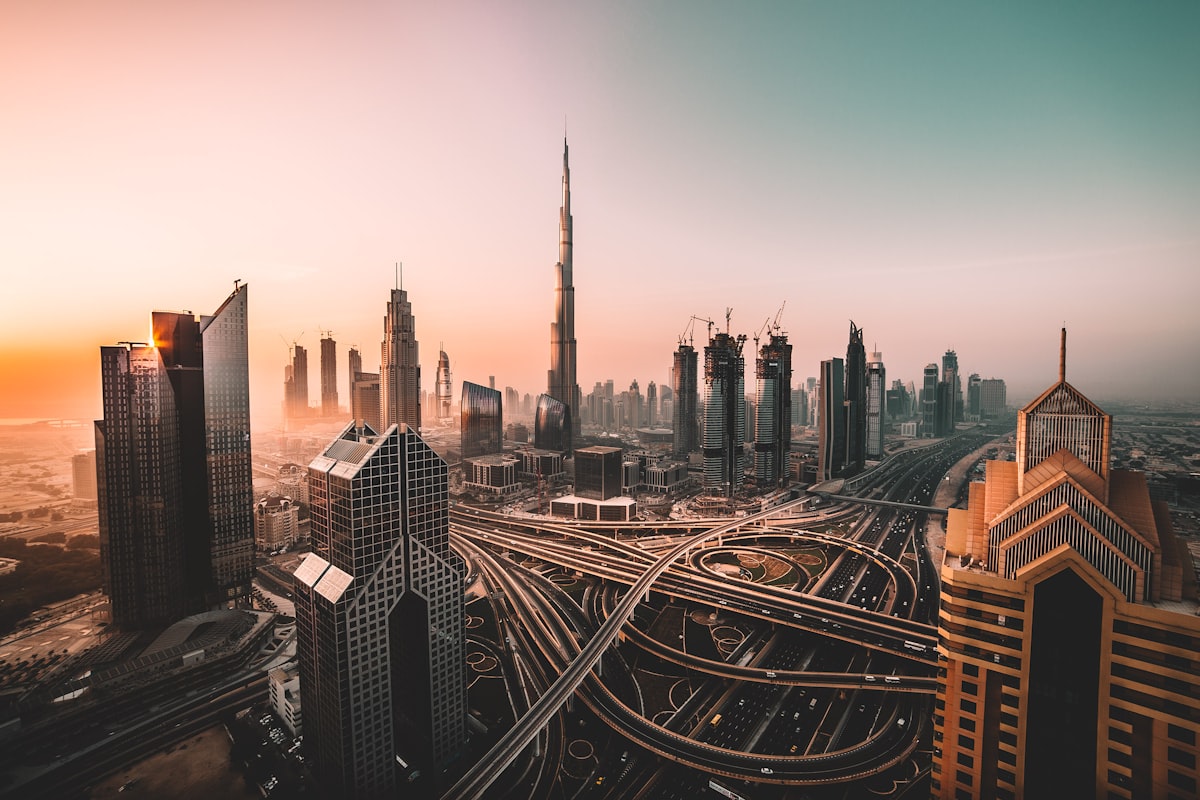
Dubai Community Master Planning: Analyzing Future Growth through Transit-Oriented Development 2026
Discover how Transit-Oriented Development in Dubai is reshaping ROI. Learn to identify high-growth zones for your 2026 real estate investment strategy.
Dubai Community Master Planning: Analyzing Future Growth through Transit-Oriented Development 2026
As we navigate the final quarter of 2026, the Dubai real estate market has shifted from a phase of rapid broad-spectrum expansion to a more sophisticated, data-driven cycle. For sophisticated investors, the alpha is no longer found in simply buying "any" property, but in identifying communities that master-plan for connectivity. Transit-Oriented Development (TOD) has become the gold standard for long-term capital appreciation in the UAE.
The Shift Toward Connectivity: Why Infrastructure Drives Value
In established markets like London or Singapore, proximity to transit hubs historically correlates with 15-25% higher property valuations. Dubai is mirroring this trajectory. Infrastructure projects, including the expansion of the Blue Line Metro and localized tram connectivity, are not merely transport upgrades; they are value catalysts. When evaluating projects, investors must prioritize walkability and proximity to multi-modal transit nodes, as these are the primary drivers of rental yield compression and liquidity.
Identifying High-Growth Transit Nodes in 2026
We are currently observing a trend where communities located within a 500-meter radius of upcoming transit hubs are outperforming the wider market by approximately 3.2% annually. Districts such as Dubai Creek Harbour, Jumeirah Village Circle (JVC), and the evolving Expo City are prime examples. By using our compare projects tool, you can visualize how proximity to these nodes impacts the projected price per square foot compared to static, car-dependent outskirts.
The Role of Mixed-Use Master Planning in Asset Liquidity
Modern master planning in Dubai emphasizes the '15-minute city' concept. Developments that integrate residential units with retail, commercial hubs, and green spaces minimize reliance on private vehicles. This lifestyle integration is critical for attracting high-net-worth tenants and ensuring long-term secondary market liquidity. When analyzing the financial viability of an asset, don't just look at the unit floor plan; assess the community's master plan for integrated commerce.
Financial Benchmarking: Modeling ROI against Infrastructure Milestones
Infrastructure completion dates are the most reliable indicators of price appreciation phases. An investor who enters a market during the 'planning' phase often captures the highest capital gains as the asset matures. Use our mortgage calculator to simulate your entry costs while layering in the timeline of surrounding infrastructure delivery. By aligning your investment cycle with government infrastructure announcements, you can effectively hedge against market volatility.
Expert Strategies for Future-Proofing Your Portfolio
Strategic diversification within transit-rich districts is essential. Rather than focusing on a single high-density area, consider balancing your portfolio between established high-yield zones and emerging growth corridors. If you are uncertain about which sectors align with your risk appetite, our AI advisor can provide personalized analysis based on current RERA market trends and historical performance metrics. Remember, the goal is to secure assets where rental demand is supported by a permanent, transit-linked professional workforce.
Frequently Asked Questions
How does Transit-Oriented Development impact rental yield in Dubai?
Transit-Oriented Development consistently leads to higher rental yields because these areas attract a larger pool of professional tenants who prioritize commute efficiency. By reducing reliance on private transportation, properties in these zones often command a premium in both lease pricing and tenant retention rates compared to remote, isolated residential developments.
Are transit-adjacent properties more expensive to purchase?
Yes, properties in close proximity to transit hubs generally trade at a premium due to the scarcity of land and the convenience they offer. However, the higher entry cost is typically offset by faster capital appreciation and higher occupancy rates, which significantly improves the total long-term ROI for the investor.
Does the Dubai Metro expansion affect off-plan project pricing?
The announcement and subsequent construction of Metro expansions are powerful market signals that developers factor into their pricing models. Investors who recognize these infrastructure milestones early can secure units at pre-completion prices before the full valuation of the transit connectivity is priced into the secondary market.
Is walkability a major factor for tenants in 2026?
Walkability has become a top-three priority for luxury and mid-market tenants in Dubai in 2026. Communities that offer pedestrian-friendly paths, integrated cycling lanes, and easy access to local amenities show much lower vacancy rates than those that require a car for every basic errand, making them safer bets for buy-to-let investors.
How can I verify the infrastructure plans for a specific community?
Investors should consult official RERA and Dubai Municipality master plan updates. Additionally, our AI advisor at MojoBloc aggregates official project timelines and community infrastructure data to help you verify whether a specific location is truly positioned for growth or if development plans have stalled.
Ready to Invest in Dubai?
Explore La Vera Creek and Palatium Residences — two of Dubai's highest-rated off-plan opportunities, hand-picked by MojoBloc.